What is AI affiliate marketing, honestly?
AI affiliate marketing means promoting an AI product, course, or service and earning a commission when someone buys through your unique link. It is a real and legal business model, used across many industries, but the "AI" framing does not change the fundamentals: you still need real content and a real audience before commissions become meaningful.
A lot of online content about this topic uses "AI gold rush" language that implies the AI angle itself makes success easier or faster. It does not. The AI niche is popular right now, which means more competition for attention, not an automatic shortcut to income.
What does "high-ticket" actually mean, and does it help beginners?
High-ticket means promoting an expensive product or service, where each sale pays a larger commission than a cheap item would. The appeal is obvious on paper, fewer sales needed for the same total commission, but a higher price also means a longer, harder sales process.
People do not casually buy an expensive AI course or piece of software the way they might buy a cheap ebook on impulse. High-ticket sales usually require more trust, more content, and more time before someone converts, which is exactly the part that generic "high-ticket AI" marketing tends to skip over.
What does a legitimate AI affiliate approach actually look like?
A legitimate approach centers on really useful content in a niche you understand, built up over months, with affiliate links added to products you would recommend even without a commission. There is no realistic version of this that skips the content and audience-building step.
- Pick a niche you actually understand, so your content is credible rather than generic.
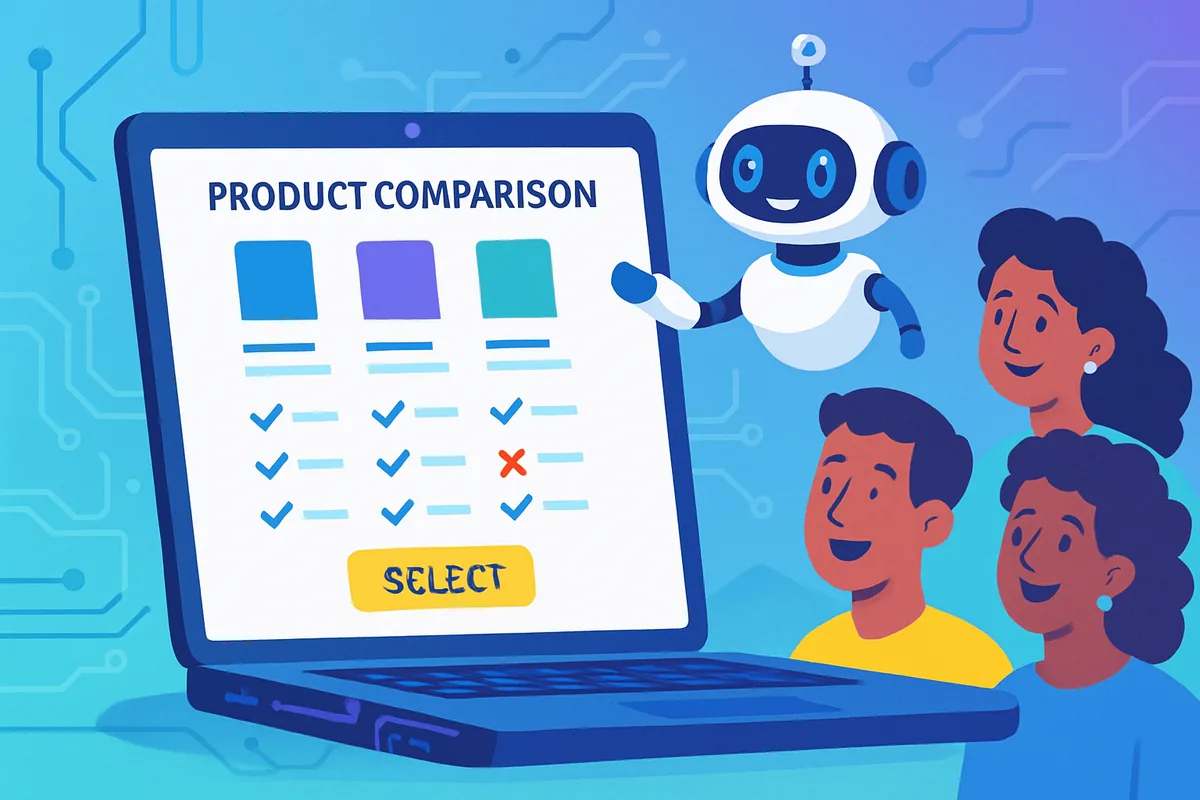
- Write useful content, like honest comparisons, tutorials, or reviews, not just promotional copy.
- Build search or audience traffic over time, since affiliate income depends on people actually finding your content.
- Disclose affiliate relationships clearly, which is both an ethical obligation and, in many places, a legal one.
Our guide to building a product comparison blog with AI walks through one concrete version of this approach in more detail.
Why do we avoid citing income numbers?
Honest income figures for a random beginner do not exist, because results depend entirely on your specific niche, content quality, existing audience, and time invested, none of which are the same from one person to the next. Any number you see in a "high-ticket AI income" post is either cherry-picked or invented.
Treat any AI affiliate content, including this one, with a healthy dose of skepticism if it leads with a specific dollar figure. The honest answer to "how much can I make" is "it depends heavily on effort and audience, and most beginners make very little at first."
What are the clearest scam patterns to watch for?
Scams in this space tend to share a few recognizable patterns: guaranteed income claims, pressure to pay for an expensive "system" before you see any real program details, and a heavier emphasis on recruiting other people than on an actual product or service. Learning to spot these patterns protects you far more than any specific product recommendation would.
- Guaranteed returns: "make $X per month guaranteed" is not how affiliate marketing works, for AI or anything else.
- Pay-to-join pressure: legitimate affiliate programs do not typically require an upfront fee just to become an affiliate.
- Recruiting over product: if the pitch focuses more on recruiting other affiliates than on the product itself, that is a structural red flag associated with pyramid-style schemes.
- Vague specifics: legitimate programs are transparent about commission rates and terms; scams tend to stay vague until you have already paid something.
What kinds of AI products do legitimate affiliate programs exist for?
Legitimate affiliate programs exist for real categories of AI products: general AI assistants and their paid tiers, structured online courses, specialized software tools for tasks like writing or design, and business automation platforms. The category itself is not the risk, how a specific program is marketed to you is.
- Course platforms: established learning platforms often run straightforward, transparent affiliate programs with clear commission structures.
- Software tools: many AI writing, design, and automation tools offer standard affiliate or referral programs alongside their normal product.
- General AI assistants: some paid AI assistant tiers offer referral incentives, though these tend to be modest rather than "high-ticket."
The safest signal is a program run directly by a company whose product you can evaluate on its own merits, rather than a program bundled inside a course that teaches you how to sell that same course to others.
What disclosure and honesty standards should you hold yourself to?
Clearly disclosing affiliate relationships is not optional, both because readers deserve to know when a recommendation comes with a financial incentive, and because failing to disclose can create legal exposure depending on where you operate. A simple, visible note near any affiliate link is enough.
Beyond the legal requirement, disclosure is good business. Readers who trust that you recommend products honestly, disclosure included, are more likely to act on your recommendations over time than readers who suspect you are only promoting whatever pays the most.
What is a realistic timeline and effort level?
Building content and an audience large enough to generate meaningful affiliate income realistically takes months of consistent work, not days or weeks. This is true across affiliate marketing generally and is not specific to AI products.
If you are drawn to this path, treat it as a long-term content project rather than a quick income method, and be honest with yourself about whether you are willing to put in that sustained effort before you see meaningful results.
Where should a beginner actually start?
Start by learning the underlying AI skills and tools well enough to write truly useful content, rather than starting with affiliate strategy first. Our easy start guide to AI for beginners and free prompt engineering guide are both good starting points for building the actual competence that makes your content worth reading in the first place.
Next step: for a broader, honest look at realistic AI-related income paths and how to avoid scams, visit our learn AI hub.