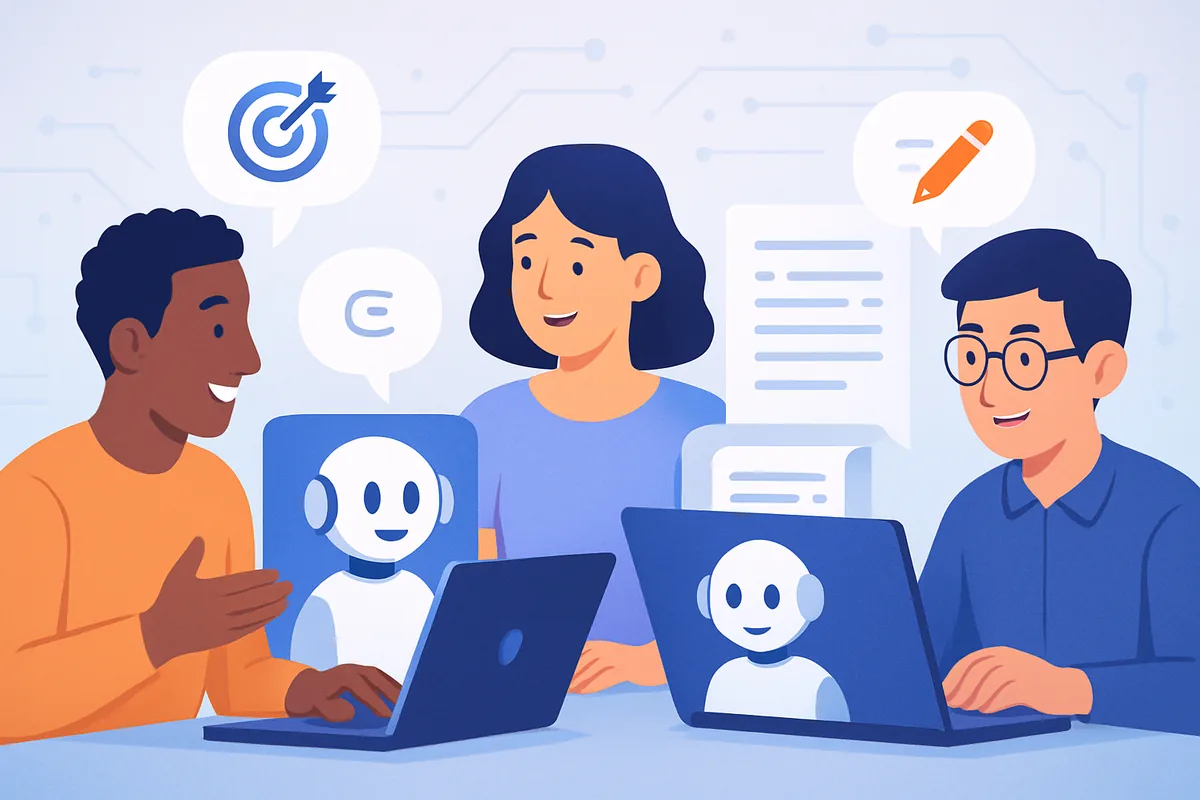
Realistic AI learning paths for non-technical adults: prompt engineering, courses worth paying for, the 40+ career angle, and honest income advice.
TL;DR: You do not need a technical background to build valuable AI skills in 2026. Start with free resources to learn prompt engineering, build a small portfolio of things you have actually automated, and only pay for a course once you know what you are trying to get out of it. Experience plus AI literacy is a stronger combination than either one alone, which is good news if you are further along in your career.
What is a realistic way to learn AI as a non-technical adult?
Start free, build small real projects, and pay for structured learning only once you know
what skill gap you are trying to close. Most people overestimate how much technical
background they need and underestimate how much they learn just by using AI tools daily.
A workable path looks like this: spend a few weeks using a free AI assistant for real tasks,
like drafting emails or summarizing documents, then move on to learning basic prompt
engineering so you get better results faster. From there, try one small automation project,
even something as simple as the ones in our automation hub. Only
after that would we suggest a paid course, and only for a specific gap you have identified
through actually doing the work.
A portfolio of small, real automations and demonstrated AI-assisted work matters more to
most employers than a certificate alone. Certificates can help you learn structure, but
proof that you have used AI to solve an actual problem carries more weight in practice.
If you can point to a specific example, like a report you automated, a workflow you
streamlined with an AI assistant, or content you produced faster because you know how to
prompt effectively, that is more persuasive to a hiring manager than a line on a resume. This
is also why we recommend building something small rather than only completing coursework.
That said, credentials are not worthless. They can help you learn a structured body of
knowledge and can matter for specific roles or in specific industries. Our
guide to whether AI bootcamps are worth it
weighs the costs and benefits honestly rather than assuming either extreme.
Why is prompt engineering the entry skill worth learning first?
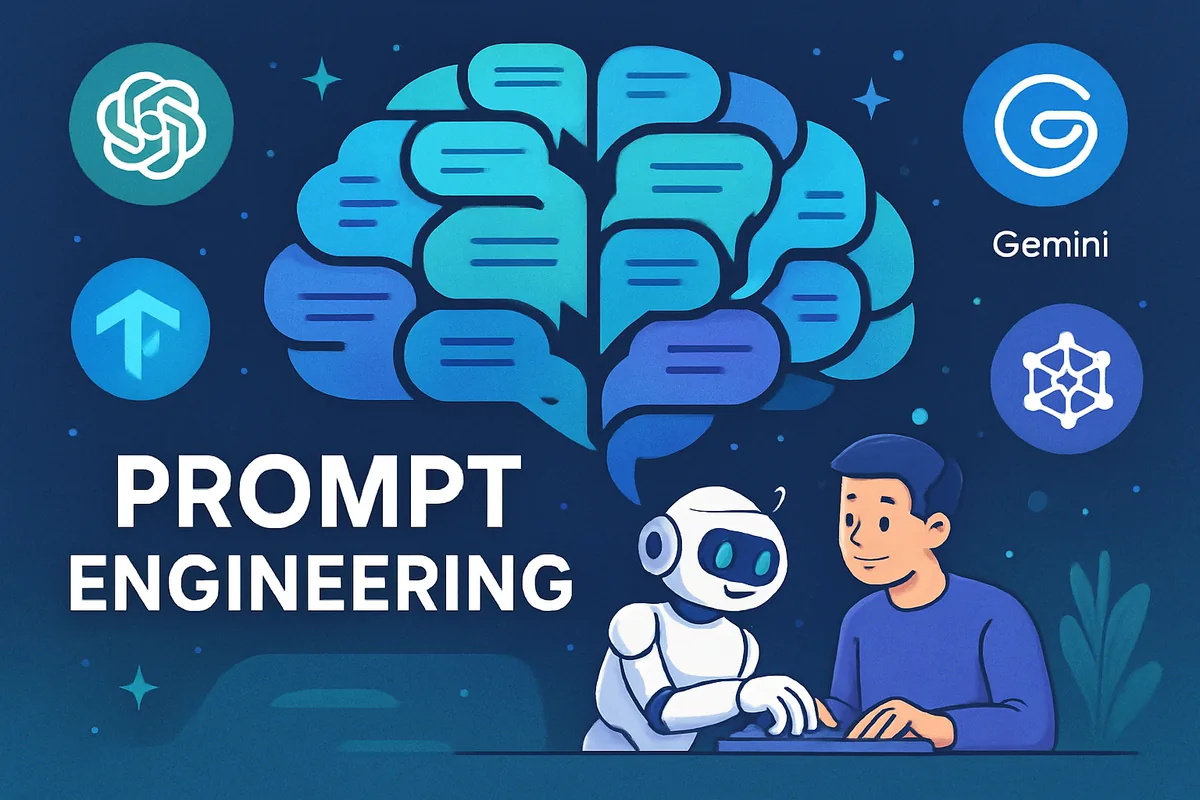
Prompt engineering, the skill of writing clear instructions that get useful results from an
AI model, is the fastest skill to learn that immediately improves your results. It requires
no coding and pays off within your very first conversations with any AI assistant.
Good prompting is less about secret tricks and more about being specific: stating your goal,
giving relevant context, and asking for the format you want the answer in. This skill
transfers across every AI assistant, so learning it once benefits you regardless of which
tool you end up using most. Our
free prompt engineering guide for beginners
walks through this with practical examples you can try immediately.
How does the 40+ career angle change the AI learning conversation?
If you have years of industry experience, combining that with AI literacy is often more
valuable than AI skills alone, because you already know which problems are worth solving.
Experience plus AI literacy beats either one by itself.
A twenty-something who is fluent in AI tools but has never worked in your industry does not
automatically out-compete someone who understands the actual workflow, the client
relationships, and the edge cases that matter. Pairing that judgment with basic AI and
automation skills is a genuinely distinctive combination, and it is one of the areas we focus
on most. Our guide to staying relevant for the 40+ workforce
goes deeper on this angle.
Structured courses that are worth it
Once you know the specific skill gap you're closing, a well-reviewed course on a platform like Coursera can be worth the cost.
Is AI side income realistic, and how do you spot a scam?
Realistic AI side income usually looks like modest, gradual earnings from a specific skill,
such as freelance content help or small automation projects, not overnight riches. Any offer
promising fast, guaranteed income from AI "systems" is a red flag worth taking seriously.
Real opportunities tend to be unglamorous: helping small businesses set up simple
automations, offering AI-assisted writing or editing services, or building niche content
with the help of AI tools. These take real time to build up and rarely replace a full income
quickly.
Watch for common scam patterns: guaranteed high returns with little effort, pressure to buy
an expensive "system" or course before you see any real detail, and heavy reliance on
recruiting other people rather than an actual product or service. If you are exploring this
path, our honest look at
AI affiliate income for beginners
and our guide to
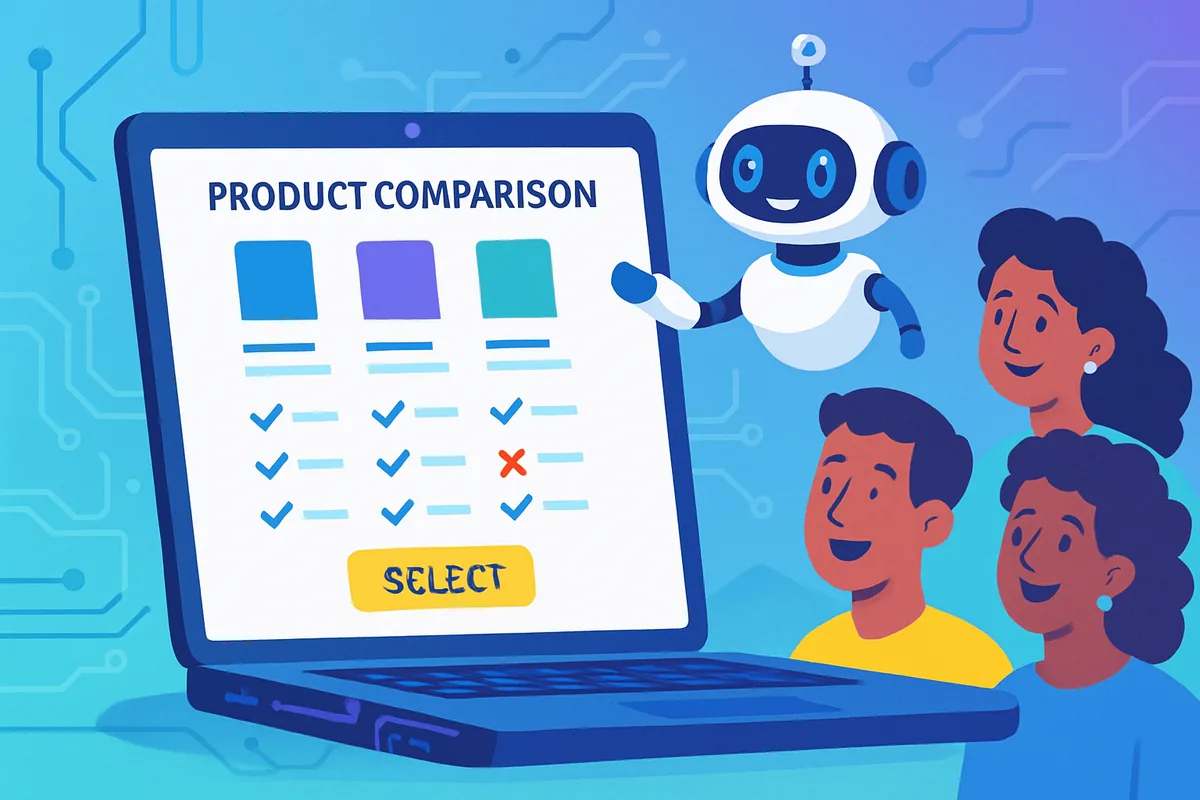
building a product comparison blog with AI
lay out what is realistically involved rather than overselling it.
Choosing between paid learning platforms is its own decision. Our
comparison of Udemy vs Coursera for learning AI
can help you decide where to spend money once you are ready to invest in structured courses.
And once you have picked up a few AI skills, our AI tools hub can help
you choose which tools are actually worth adding to your toolkit.
Frequently Asked Questions
Is prompt engineering hard to learn for a beginner?
No. Prompt engineering is mostly about being specific: stating your goal clearly, giving relevant context, and asking for the output format you want. Most people notice better results within their very first few attempts, and there is no coding involved.
What is a good AI coding bootcamp for beginners?
Look for bootcamps with a clear syllabus, verifiable outcomes, and a reasonable refund policy rather than flashy income claims. Compare the cost against free alternatives first, and consider whether a smaller, focused course might close your specific skill gap just as well.
Can someone over 40 succeed in AI without a technical background?
Yes. Industry experience combined with basic AI literacy is often more valuable to employers than AI skills alone, since experienced workers already know which problems are worth solving. Learning prompt engineering and simple automation is enough to get started.
Are there good free AI certifications?
Several free introductory courses and certificates exist from major platforms and providers. They are useful for learning structure and vocabulary, but pairing them with a small real project, like automating one task, tends to matter more to employers than the certificate alone.
How can I tell if an AI income opportunity is a scam?
Be wary of guaranteed high returns, pressure to buy an expensive course before seeing real details, and heavy emphasis on recruiting others rather than an actual product or service. Legitimate AI side income tends to build gradually from a real, specific skill.
Do I need a certificate to get an AI-related job?
Not necessarily. A portfolio of small, real projects, like an automation you built or content you produced with AI assistance, often carries more weight than a certificate alone. Certificates can still help for specific roles or industries, but they are rarely sufficient on their own.
A beginner's guide to getting email on your own domain, why self-hosting a mail server on a VPS is a common trap, and what SPF and DKIM mean in plain words.
A plain-English guide to choosing VPS size: what RAM, CPU, and storage actually do, and what static sites, automation tools, and databases really need.
A step-by-step beginner guide to pointing a domain at a VPS: A records, adding www, checking propagation with dig or a lookup tool, and common mistakes.
Domains, DNS, and hosting explained in plain language: the address, the phone book, and the building, plus the beginner confusions that trip everyone up.
Shared, cloud, and VPS hosting explained with a simple apartment, condo, and house analogy: who each tier is for, when to upgrade, and why starting small wins.
A calm, step-by-step beginner guide to moving your website to a new host: back everything up, set up in parallel, test first, then switch DNS with no panic.
An honest beginner comparison of WordPress and static sites: editing ease, speed, security, upkeep, and cost, plus a real example of a static site in action.
AI affiliate marketing for beginners in 2026: an honest, realistic look at high-ticket commissions, what actually works, and common scam patterns to avoid.
Simple, practical ways beginners can use AI daily in 2026 to write faster, organize tasks, and automate small chores, without any technical background.
How to build an AI-assisted product comparison blog in 2026: niche selection, AI drafting tools, and honest, realistic income expectations for beginners.
Free prompt engineering guide for beginners in 2026: what it actually is, why it is the fastest AI skill to learn, and how to write better prompts today.
Udemy vs Coursera for learning AI in 2026: an honest, beginner-focused comparison of cost, structure, and credentials to help you choose the right platform.
AI for beginners in 2026: a realistic, non-technical guide to what AI actually is, which free tools to try first, and how to build real, useful skills quickly.