What is ChatGPT, in plain English?
ChatGPT is OpenAI's chat assistant, built on a large language model trained to understand and generate human-like text. You type a question or request, and it produces a response by predicting the most helpful sequence of words based on patterns it learned during training, not by searching a database for a stored answer.
Think of it as a very well-read assistant who has absorbed an enormous amount of writing but does not have perfect recall or true understanding. It is excellent at drafting, explaining, and brainstorming, but it can still get specific facts wrong, which is why verifying anything important remains a good habit.
What is a language model, and how does ChatGPT use one?
A language model is a type of AI trained to predict the next word in a sequence based on everything that came before it. If you saw the phrase "peanut butter and," you would likely guess "jelly," and a language model does something similar, just at a vastly larger and more complex scale across billions of examples.
ChatGPT's underlying model was trained on a massive collection of text, including books, articles, and websites. By analyzing patterns across all of that writing, it learned the relationships between words, sentences, and ideas that let it generate coherent, relevant responses to new prompts it has never seen before.
What technology actually powers ChatGPT under the hood?
ChatGPT runs on a neural network architecture called a transformer, which is especially good at processing sequential data like text. Transformers can weigh the relationships between words across a whole passage, even when related words are far apart, which is what gives ChatGPT its sense of context.
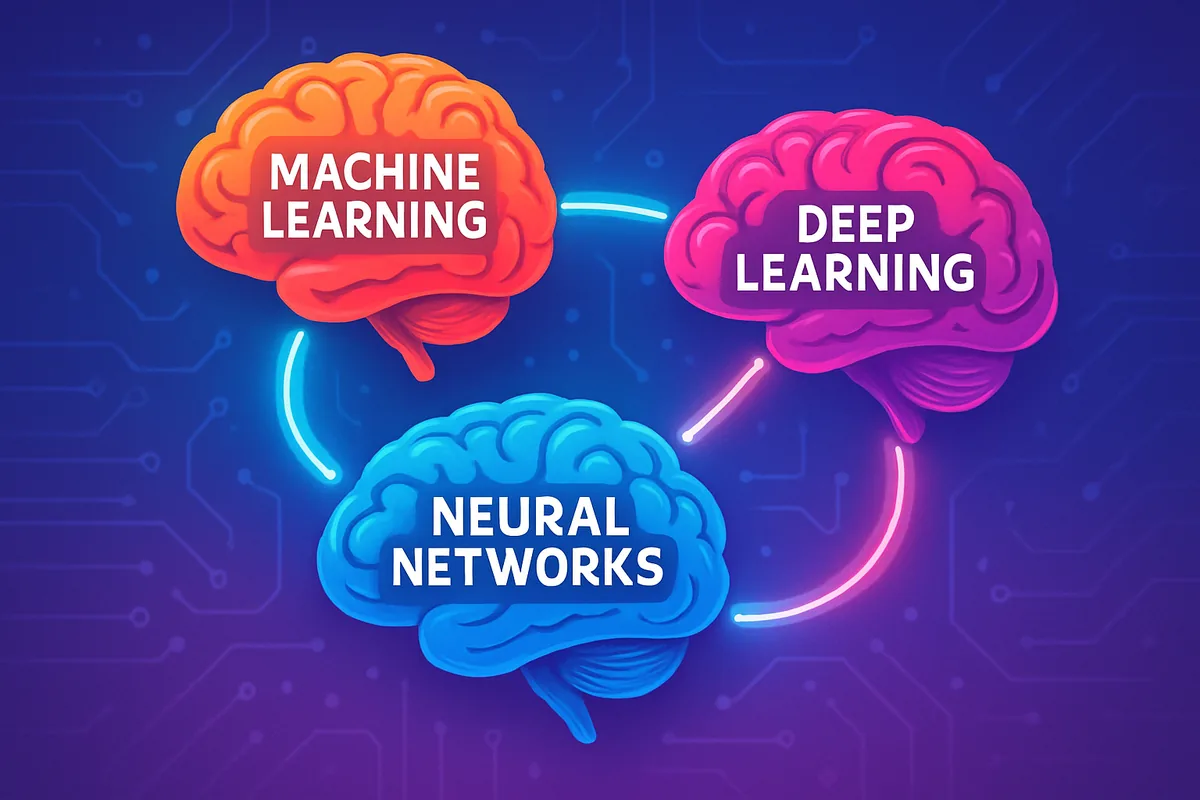
A neural network is a system of interconnected layers loosely modeled on the brain, designed to recognize patterns in data. The transformer variant specifically excels at language tasks because it considers an entire piece of text at once rather than word by word in isolation, which helps it track tone, references, and nuance across a conversation.
What happens between typing a prompt and getting a response?
When you send ChatGPT a message, it breaks your text into small units called tokens, converts them into a numerical form the model can process, and then generates a response one token at a time based on learned patterns. The whole sequence happens in a few seconds.
- Input: you type a question or prompt into ChatGPT.
- Tokenization: the text is broken into tokens, usually whole words or parts of words.
- Encoding: each token becomes a numerical representation the model can process.
- Processing: the transformer analyzes these representations in the context of your full input.
- Decoding and output: the model generates a sequence of tokens, converted back into readable text as your response.
What can you actually use ChatGPT for as a beginner?
ChatGPT is well suited for general writing, brainstorming, summarizing, and everyday question-answering, which covers most of what a beginner needs. It also handles basic coding help and language translation reasonably well.
- Answering questions: ask about nearly any topic and get a plain-language explanation.
- Writing content: draft emails, articles, and outlines faster than starting from a blank page.
- Brainstorming: generate a range of ideas to react to and refine rather than starting from nothing.
- Summarizing: condense long articles or documents into a shorter overview.
- Translating: get a working translation between common languages, though it is worth having a fluent speaker check anything important.
For a broader comparison of ChatGPT against other major assistants, see our AI models hub. If you want to understand the concepts behind the technology in more depth, our machine learning vs deep learning vs neural networks guide is a good next read.
How is ChatGPT different from a plain internet search?
ChatGPT generates a response by predicting likely text based on patterns it learned during training, while a search engine retrieves and ranks existing pages that already exist on the web. That difference explains both ChatGPT's biggest strength and its biggest limitation.
Because ChatGPT is not looking anything up in real time by default, it can explain, summarize, and draft in ways a search engine cannot, since it is generating original text tailored to your specific prompt rather than pointing you to someone else's page. The tradeoff is that it has no built-in way to confirm a fact is currently true unless you ask it to check, which is why treating its answers as a draft rather than a verified source remains good practice.
How much does it cost to use ChatGPT in 2026?
ChatGPT offers a usable free tier that covers most everyday writing, brainstorming, and question-answering needs, with paid tiers available for people who want higher usage limits or more advanced features. Most beginners are well served starting with the free version.
Rather than upgrading right away, it is worth living with the free tier for a couple of weeks and paying attention to whether you actually hit a specific limit, like a usage cap or a need for longer conversations. That approach avoids paying for capability you may not need yet. Our AI models hub compares pricing tiers across the major assistants in more detail.
What should you watch out for when using ChatGPT?
The biggest limitation to keep in mind is that ChatGPT generates the most likely-sounding response rather than a verified fact, which means it can state incorrect information confidently. This is sometimes called hallucination, and it is worth watching for on any topic that matters.
It is also worth being aware of bias, since a model trained on huge amounts of internet text can reflect skewed patterns present in that data. Using ChatGPT responsibly means treating its output as a strong first draft or starting point, then applying your own judgment and verification before relying on it for anything important. Our guide to AI ethics and risks covers these tradeoffs in more depth.
Next step: once you are comfortable with how ChatGPT works, our guide to AI for beginners broadens the picture to the wider world of AI tools and concepts.