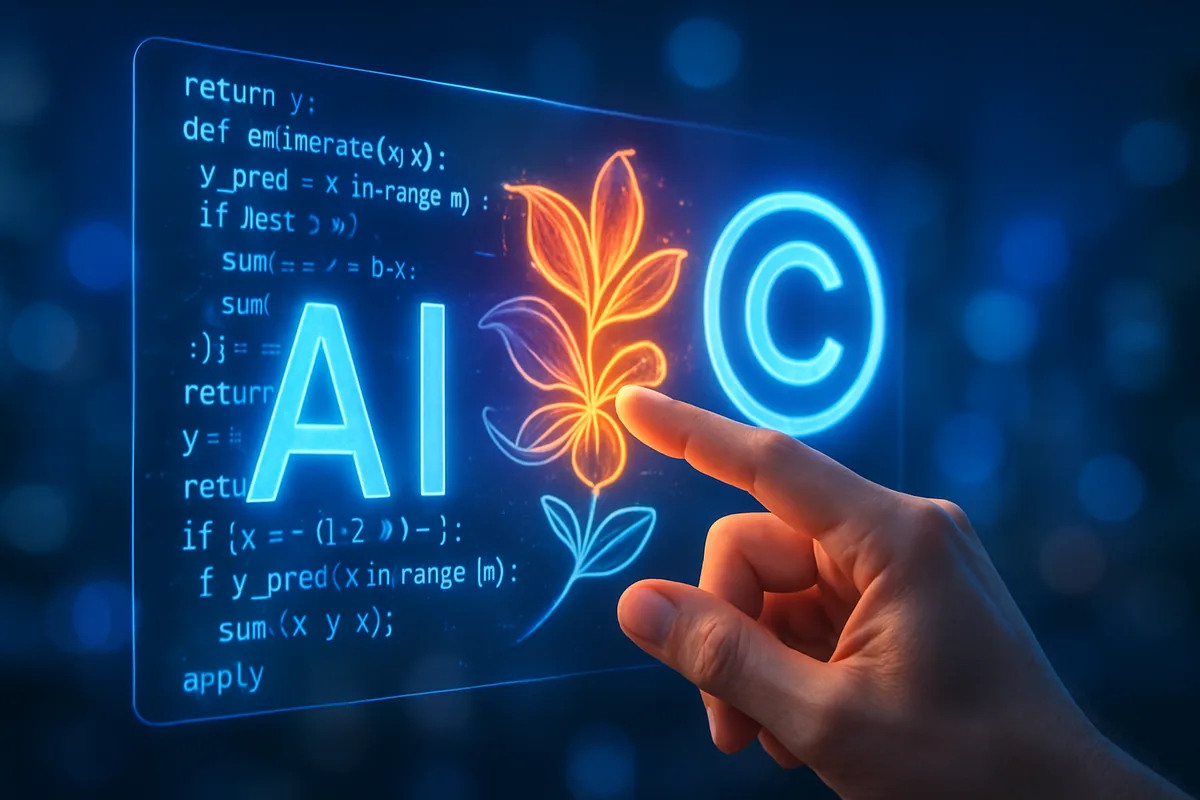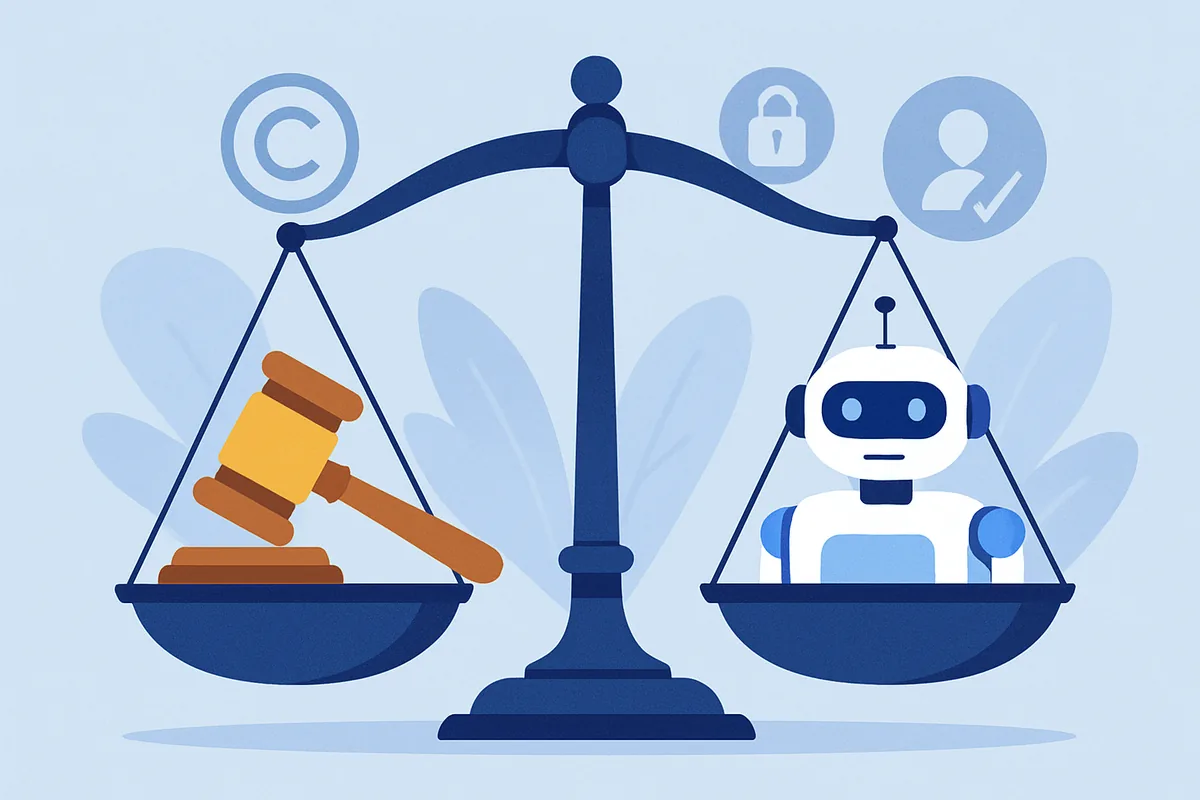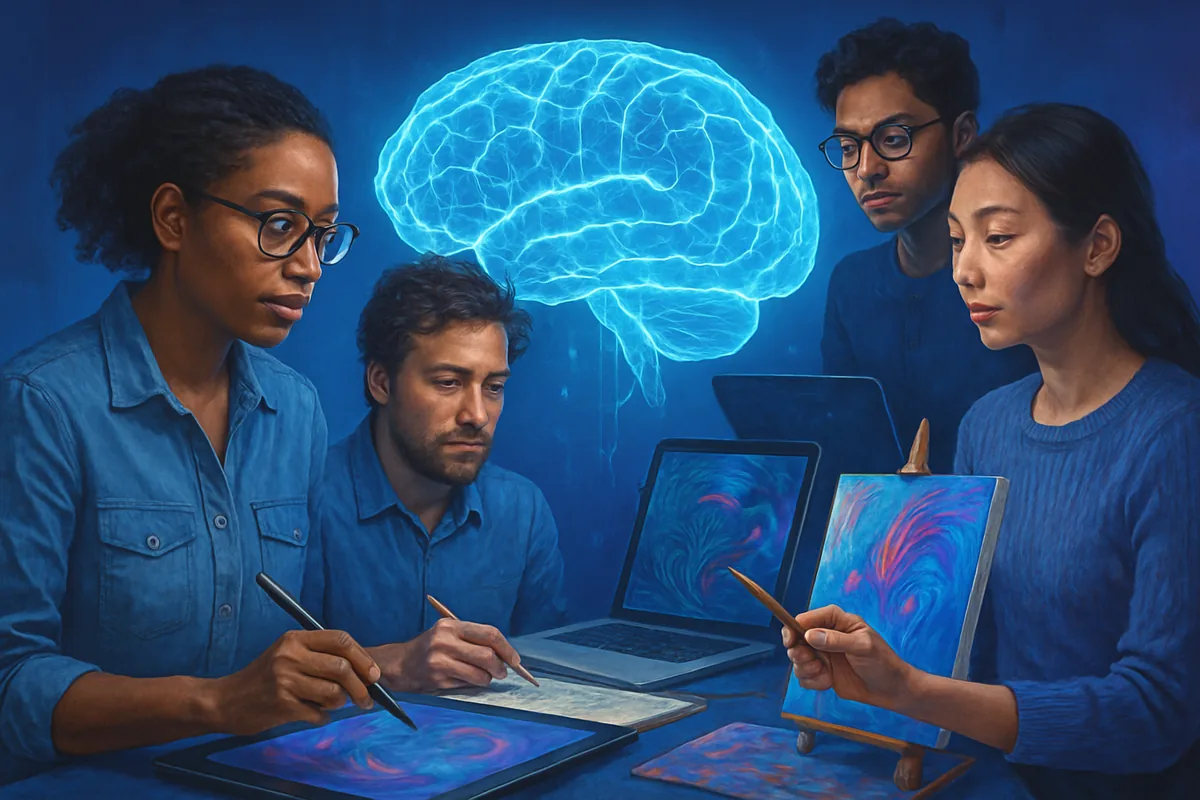
Who owns an image an AI tool generates from my prompt?
It depends on several factors that vary by situation: your jurisdiction, the specific platform's terms of service, and how much creative input you contributed beyond typing a prompt. In several legal systems, purely AI-generated content with minimal human input may not qualify for copyright protection at all.
This is a meaningfully different starting point than traditional creative work, where copyright generally applies automatically to something you create yourself. With AI-generated content, the question of whether a human contributed enough original, creative input to qualify for protection is really unresolved in many places, which is why this is worth understanding rather than assuming either "you fully own it" or "you own nothing" by default.
Why is AI art copyright so unsettled right now?
Copyright law was written with human creators in mind, long before AI tools that generate images from text prompts existed, so lawmakers and courts in different countries are still working out how existing rules apply to this new kind of creation. That process is ongoing and the answers differ by jurisdiction.
The core tension is this: copyright traditionally protects original human authorship, but an AI-generated image involves a model trained on enormous datasets producing output from a prompt, with varying amounts of human creative direction. How much human involvement is enough, and what counts as involvement versus simply pressing a button, is precisely what remains unsettled. We are not going to speculate about specific rulings or cases here, since the details vary by country and change over time. If ownership matters for your situation, check current guidance from your jurisdiction's copyright office or a qualified professional.
Does a detailed prompt give me a stronger ownership claim?
Generally, more substantial creative input tends to support a stronger ownership claim than a simple prompt alone, though this is not a guarantee and varies by jurisdiction. The general pattern many platforms and legal discussions point to: the more you shape the outcome through detailed direction, iteration, and editing, the stronger your position tends to be.
- A short, simple prompt like "a cat sitting on a chair" typically reflects minimal creative input, which tends to support a weaker ownership claim.
- A detailed, iterative process, refining prompts repeatedly, selecting among many outputs, and combining or editing results, reflects more human creative contribution.
- Substantial post-generation editing, using other software to meaningfully alter the AI output, adds a layer of clearly human creative work on top of the generated base.
None of this is a formula that guarantees a specific legal outcome. It is a general pattern worth knowing, not a substitute for checking current rules that apply to your specific situation and location.
It is also worth remembering that the same generated image can be treated differently in different countries. A piece that might not qualify for protection in one jurisdiction could be assessed differently elsewhere, which is part of why this remains a confusing area for creators working across borders or selling to an international audience.
Do AI platform terms of service matter for ownership?
Yes, significantly, and this is often the most practical thing you can actually control. Each AI platform sets its own terms of service describing what rights you have over content you generate, separate from the underlying copyright law question, and these terms differ between services and change over time.
Before relying on AI-generated content for anything important, read the platform's current terms directly rather than assuming based on a different tool or an older policy. Look specifically for language about ownership, commercial use rights, and any restrictions on how generated content can be used or shared.
Terms of service also change more often than most people expect, sometimes without much notice. A platform's policy at the time you generated an image is not guaranteed to be the same policy in effect months later, which is another reason to keep your own documentation rather than relying purely on memory of what a service allowed when you used it.
Can I use AI-generated art commercially?
It depends on the specific platform's current terms and your jurisdiction, so this needs a direct check rather than a general assumption. Some platforms explicitly grant commercial use rights, others restrict it or require a paid tier, and the underlying copyright ownership question remains unsettled in many places regardless of what a platform's terms say.
A practical approach for anything commercial: read the platform's current terms of service for commercial use language, add substantial creative input of your own rather than using raw generated output as-is, and keep records of your process. For higher-stakes commercial projects, a qualified professional can assess your specific situation more precisely than a general guide can.
What steps can help protect my creative work involving AI?
A few practical habits strengthen your position regardless of how the unsettled legal questions eventually resolve: document your creative process, add meaningful human input, and stay current on the specific platform's terms.
- Document your process. Keep records of prompts, iterations, and edits. This documentation can matter if your ownership or process is ever questioned.
- Add substantial creative input. Detailed direction and meaningful editing reflect a stronger human creative role than an unedited, single-prompt output.
- Read the platform's current terms. Ownership and usage rights described in terms of service can matter as much as the underlying copyright question itself.
- Check current rules for your jurisdiction. Copyright offices in various countries publish guidance that gets updated as the legal landscape develops, so check current sources rather than relying on older information.
Should I consult a lawyer about this?
For anything with real commercial or legal stakes, a personal brand, a business, a product you plan to sell, yes, a qualified professional who can evaluate your specific situation and jurisdiction is worth the cost. This guide covers the general landscape, not advice for your particular circumstances.
For casual or personal use, understanding this general landscape and building good habits, like documenting your process and adding real creative input, is usually sufficient. Our AI copyright basics guide covers the broader legal picture beyond just visual art, including training data questions and other legal considerations like privacy and misinformation.
If you want a wider view of the ownership confusion across both art and text, our guide to the AI copyright chaos looks at why competing claims exist and how to navigate the uncertainty as a creator.
Next step: for the broader picture on AI ethics and everyday risks, visit our beginner's guide to AI ethics and risks, or return to our AI safety hub.