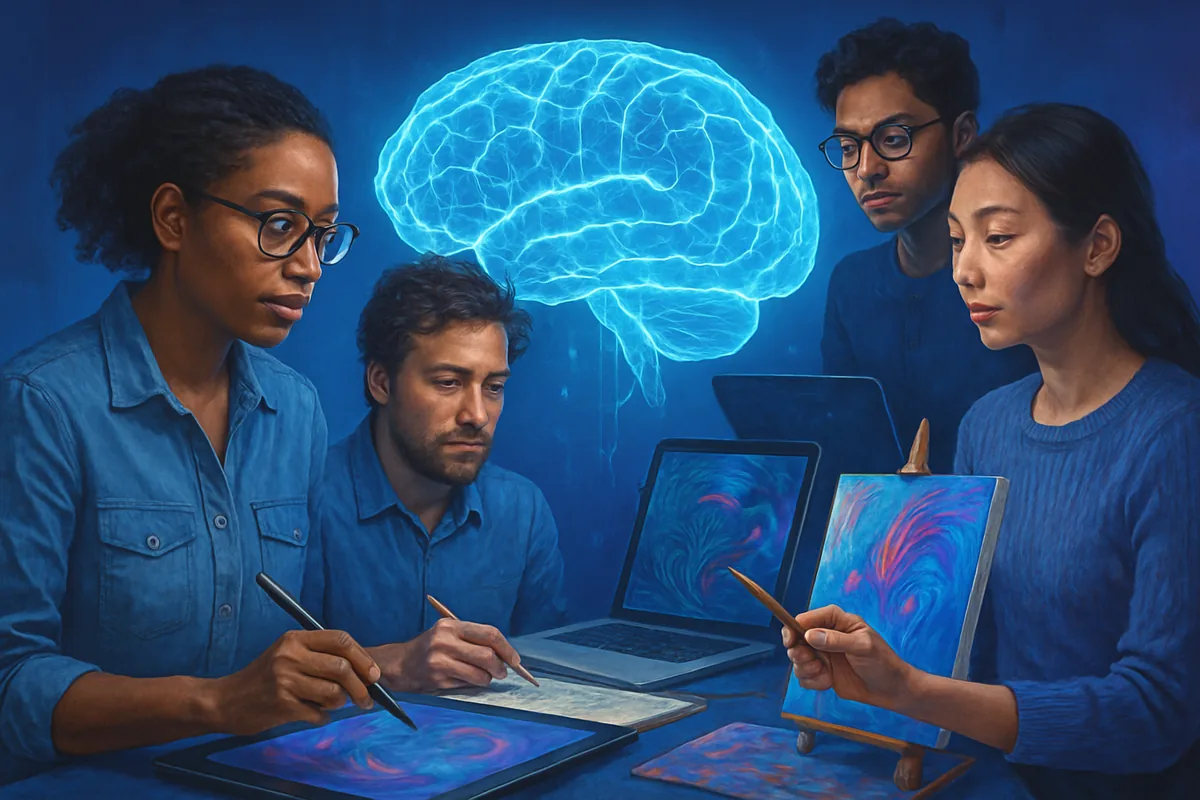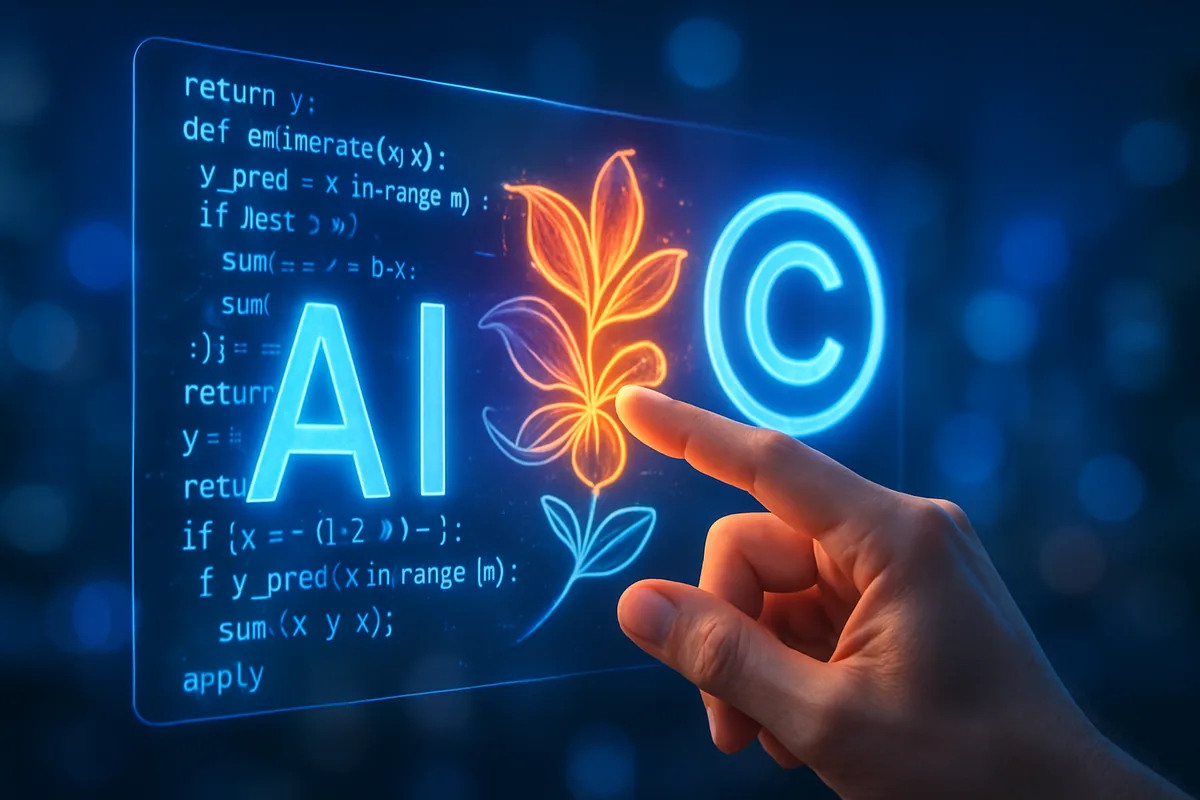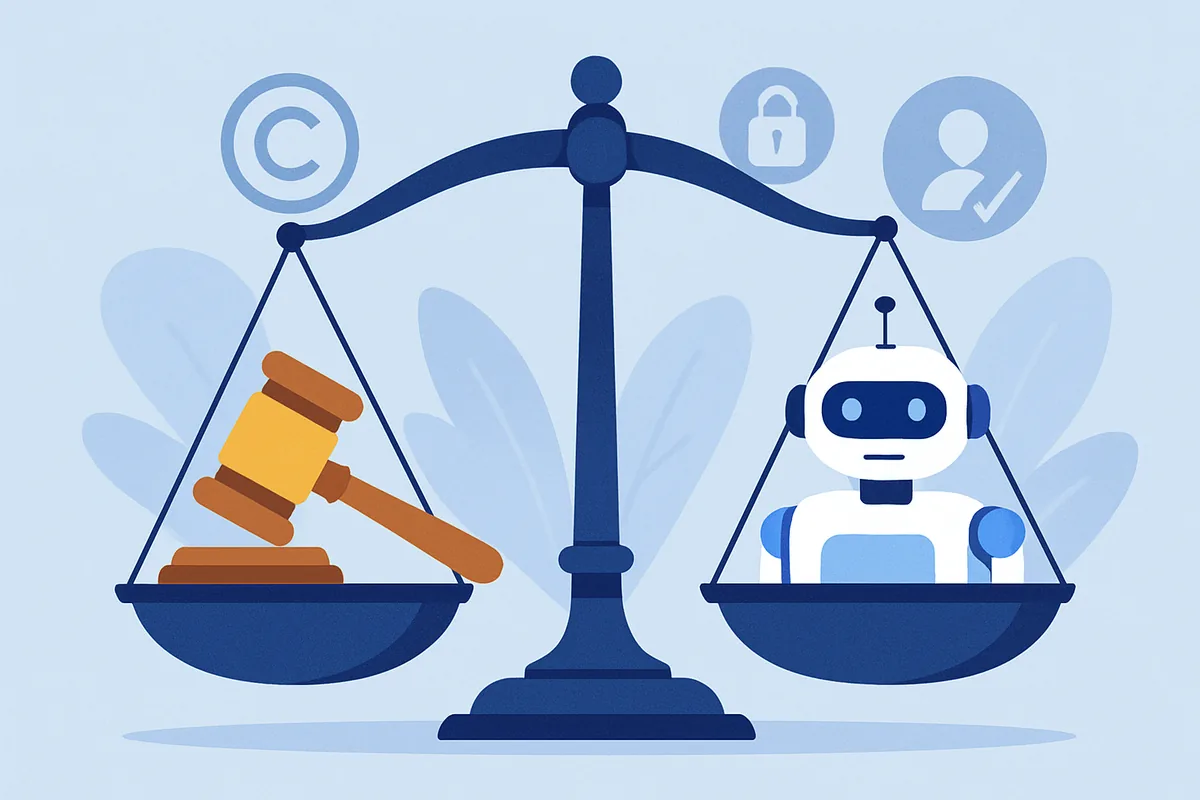
Why does AI copyright feel so chaotic right now?
It feels chaotic because copyright law was written long before AI could generate art and text from a simple prompt, so the old rules do not map cleanly onto the new technology. On top of that, different countries are reaching different conclusions, and the guidance keeps changing, which leaves creators without a single clear answer to point to.
The result is a genuinely unsettled area rather than one where the answer is known but hard to find. When you read confident but conflicting takes online, that is usually a sign that the writers are describing different countries, different tools, or different moments in an evolving picture. Nothing in this guide is legal advice, and the goal here is to explain why the confusion exists and how to navigate it, not to promise a definitive rule that does not yet exist.
Who are all the parties claiming a stake in AI-generated work?
Usually three groups have a plausible interest in the same piece of AI output: the person who wrote the prompt, the company that built the tool, and the creators whose work helped train the model. Each has a real argument, and balancing those competing claims is exactly what remains unresolved.
- The user: you wrote the prompt, made choices, and often refined the result, so you contributed creative direction. How much that direction counts toward ownership is one of the central open questions.
- The AI company: the tool's provider built the model and sets the terms of service, which shape what you are allowed to do with the output regardless of who "owns" it in a deeper legal sense.
- The original creators: AI models learn from large amounts of existing text and images, and some of the creators behind that material argue their work should not be used this way without permission or compensation.
Because all three arguments carry some weight, the conflict is not simply a matter of one side being obviously right. That is the core reason the topic resists a tidy answer.
Does writing a detailed prompt make the work more clearly yours?
A detailed, creative prompt may strengthen your sense of authorship, but it does not automatically settle ownership, and different jurisdictions weigh human input differently. Some approaches give more credit to significant human creative contribution, while others are cautious about granting copyright to work generated largely by a machine.
The practical takeaway is that heavier human involvement, editing, combining, and adding your own original material, generally puts you on firmer ground than accepting a raw AI output unchanged. For a closer look at this specific question for images, our guide to who owns AI art goes deeper on how prompts and ownership interact.
Why do the tool's terms of service matter so much?
The terms of service of the specific tool you use strongly shape what you can actually do with its output, including whether you can use it commercially, even where the broader copyright question is unclear. Different tools grant very different rights, and they revise these terms over time.
This makes reading the current terms of any tool you rely on one of the most useful and overlooked steps you can take. It is a concrete thing you control, unlike the unsettled legal landscape around it. Our beginner's guide to legal AI use covers how these terms fit alongside the other everyday legal considerations, like privacy and misinformation.
How does this apply to AI-generated text, not just art?
The same tensions apply to text as to images, since AI writing tools also learn from large amounts of existing material and generate new content from a prompt. The competing claims among user, company, and original creators look much the same, even though public attention has focused more on AI art.
For everyday writing help, like drafting an email or outlining a post, the ownership question is usually low stakes. It becomes more important when the text is central to a product, a book, or a commercial brand, where it is worth being deliberate about how much of the final work is genuinely your own and what the tool's terms allow.
What does the fight over training data mean for you?
A large part of the current dispute is not about your prompt at all, but about the material used to train the models in the first place. Many creators argue their work was used without permission, and how that question is resolved could shape the tools everyone uses and the rights attached to their output.
For an everyday user, the practical effect is uncertainty you cannot fully control. The tools you rely on today could change their terms, their available features, or how they source training material as this plays out. That is a good reason to avoid building something you cannot afford to lose entirely on top of a single AI tool's output, and to keep your own original contribution strong enough that your work does not depend solely on the machine-generated part. If you care about the ethics as well as the legality, our guide to AI ethics and risks looks at the broader questions of fairness and responsibility around how these systems are built.
How can you protect yourself while the rules stay unclear?
Protect yourself by keeping records of your creative input, reading and saving the terms of the tools you use, adding your own original work on top of AI drafts, and not assuming any AI output is automatically yours to sell. These habits keep you on steadier ground without needing the law to resolve first.
For anything commercial or high-stakes, treat the current rules in your own country as the real authority and consider talking to a professional rather than relying on general guidance. The law here is still developing, so the safest posture is to stay informed, stay cautious with commercial use, and keep your own creative contribution front and center.
Next step: for related trust and safety topics, from talking with kids about AI to avoiding scams, visit our AI safety hub.